
Refiner vs online survey tools for product feedback
SurveyMonkey, Qualtrics, Alchemer, QuestionPro, and similar platforms are built for questionnaires shared by link, email, embed, or research panel. Refiner collects feedback from identified users inside SaaS and mobile products, triggered by what those users do.
A survey link leaves the product context behind
Standalone survey platforms can handle serious research. They become harder to use for product feedback when the team needs to reach a specific user after a specific action and connect the answer with everything already known about that customer.

Feedback arrives after the moment
An email or link can reach the right list but still miss the product experience the question is meant to measure.
Customer context needs rebuilding
Hidden fields and contact attributes can identify respondents, but the team must pass and maintain that context for every survey.
Research depth adds complexity
Panels, academic methods, governance, and statistical tooling add setup and administration when the job is a short in-app survey.
Responses can be metered
Many plans limit the answers you can view or collect, then charge overages or require a higher tier as survey volume grows.


Where Refiner surveys excel
- Surveys shown to identified users inside web and mobile products
- Behavioral triggers tied to product events, milestones, pages, and lifecycle stages
- User and account data available for targeting and response segmentation
- Native SDKs for iOS, Android, React Native, and Flutter
- NPS, CSAT, CES, PMF, churn, onboarding, and feature-research workflows
- Two-way Segment and RudderStack sync
- Direct response destinations including Amplitude, Mixpanel, Chattermill, Enterpret, HubSpot, Salesforce, Customer.io, Slack, and Teams
- Unlimited survey responses on every paid plan
Where a standalone survey platform is stronger
- Market research with people who are not product users
- Purchased respondent panels and sample management
- Long academic questionnaires, conjoint, MaxDiff, randomization, crosstabs, and SPSS exports
- Employee, event, offline, kiosk, and organization-wide research programs
The audience should decide which survey tool you use.
Online survey platforms are designed to distribute a questionnaire to a list or sample. They are the right choice when the respondents are employees, event attendees, research participants, prospects, or people recruited through a panel.
Refiner starts with an existing product user. It can decide who sees the survey using product events and customer data, ask inside the current experience, and keep the response attached to the right user and account.
Livestorm moved from an NPS-focused survey solution after needing more survey types, account-level results, and a better Segment integration. Refiner now supports its NPS, onboarding, and cancellation surveys, with answers flowing through Segment into Amplitude, Looker, and Customer.io.
Refiner vs online survey tools, point by point
Who the survey is for
Refiner
Survey known users and accounts inside a SaaS or mobile product. Refiner is designed for customer feedback tied to onboarding, feature usage, lifecycle stages, satisfaction, and churn.
Online survey tools
Survey customers, employees, event attendees, research participants, or the general public through links, email invitations, website embeds, QR codes, and panels. This broader distribution is a major advantage when respondents are not active product users.
Timing and behavioral targeting
Refiner
Launch a survey after setup, feature use, a product milestone, a page visit, or another tracked event. Combine product behavior with plan, role, account, lifecycle, device, language, and previous-response data.
Online survey tools
Lists, contact attributes, URL parameters, and website rules can target survey invitations. Connecting display timing with identified product behavior usually requires additional instrumentation, custom logic, or an enterprise CX product.
Knowing who answered
Refiner
Attach each response to the user and, for B2B products, the account. Segment results with traits already held in the product stack without asking the respondent to identify themselves again.
Online survey tools
Anonymous research is a strength of standalone tools. Invited respondents can be tracked with collector links, contact lists, or hidden variables, though that identity must be supplied and reconciled with the product database.
In-app and native mobile delivery
Refiner
Use product-matched widgets in a web app or native surveys on iOS, Android, React Native, and Flutter. Apply the same targeting, survey logic, reporting, and integrations across platforms.
Online survey tools
Links, email, and website embeds are the common delivery methods. Some enterprise CX products support app feedback, but native mobile SDK access and product-user targeting depend on the vendor, product line, and contract.
Survey and research scope
Refiner
Run NPS, CSAT, CES, PMF, churn, onboarding, feature satisfaction, attribution, and focused product-research surveys. The product is optimized for short, recurring feedback loops with existing users.
Online survey tools
SurveyMonkey offers hundreds of templates and an audience panel. Qualtrics, Alchemer, and QuestionPro support advanced research methods, long questionnaires, randomization, statistical analysis, and specialist exports. They are stronger for formal research programs.
Question logic and survey design
Refiner
Build multi-question surveys with logic on each question: show it, hide it, or jump to another one based on earlier answers, user traits, or data from your app. Questions can be required or optional. Choose slide-ins, modals, and banners with detailed brand controls and custom CSS.
Online survey tools
Logic, piping, randomization, multilingual questionnaires, reusable templates, and advanced question types are mature parts of the category. The larger research platforms provide more depth for complex studies than Refiner.
Analysis and reporting
Refiner
Track NPS, CSAT, and CES over time, compare user and account segments, filter by customer traits and responses, and use AI-assisted tagging to organize written feedback.
Online survey tools
Standalone platforms are strong at aggregate questionnaire analysis. Depending on the product and plan, that can include crosstabs, statistical significance, weighting, conjoint, MaxDiff, SPSS exports, text analysis, and multi-survey reporting.
Where response data goes
Refiner
Sync traits and responses with Segment and RudderStack in both directions. Send identified feedback to Amplitude, Mixpanel, Chattermill, Enterpret, HubSpot, Salesforce, Customer.io, Slack, Teams, webhooks, or a warehouse.
Online survey tools
Survey platforms commonly export to spreadsheets and statistical packages and may integrate with CRMs, marketing tools, and enterprise systems. Check how easily answers can update an existing product user or account across the PLG stack.
Pricing as survey volume grows
Refiner
Paid plans start at $79 per month and include unlimited survey responses. Collecting more answers does not create an overage or reduce access to existing responses.
Online survey tools
As of August 2026, SurveyMonkey's self-serve plans include fixed monthly or annual response allowances and charge $0.15 per additional response in USD; its free plan only lets users view a limited number of responses. Alchemer starts at $55 per user monthly with 75,000 annual responses, while QuestionPro Advanced costs $99 per user monthly billed annually with 25,000 responses per year. Free-volume exceptions exist: SurveyPlanet and Google Forms offer unlimited responses.
What Refiner adds to product feedback
Refiner connects the question with the product moment, customer identity, and tools that need the answer next.
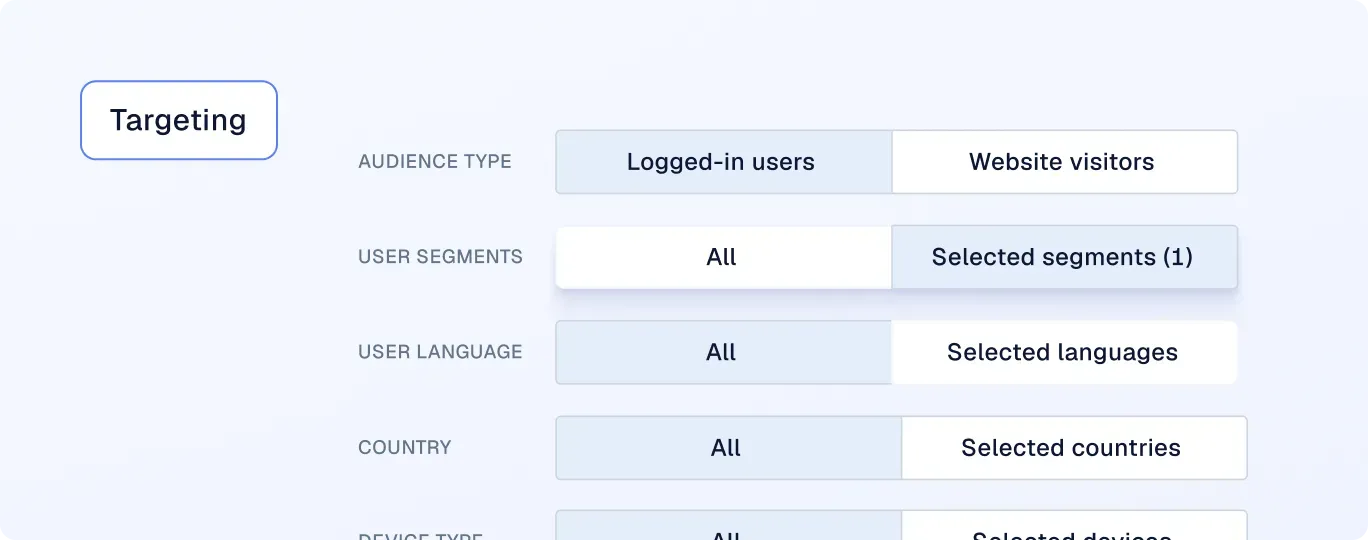
Behavior-triggered surveys
Ask after the action, milestone, or product experience the feedback refers to.
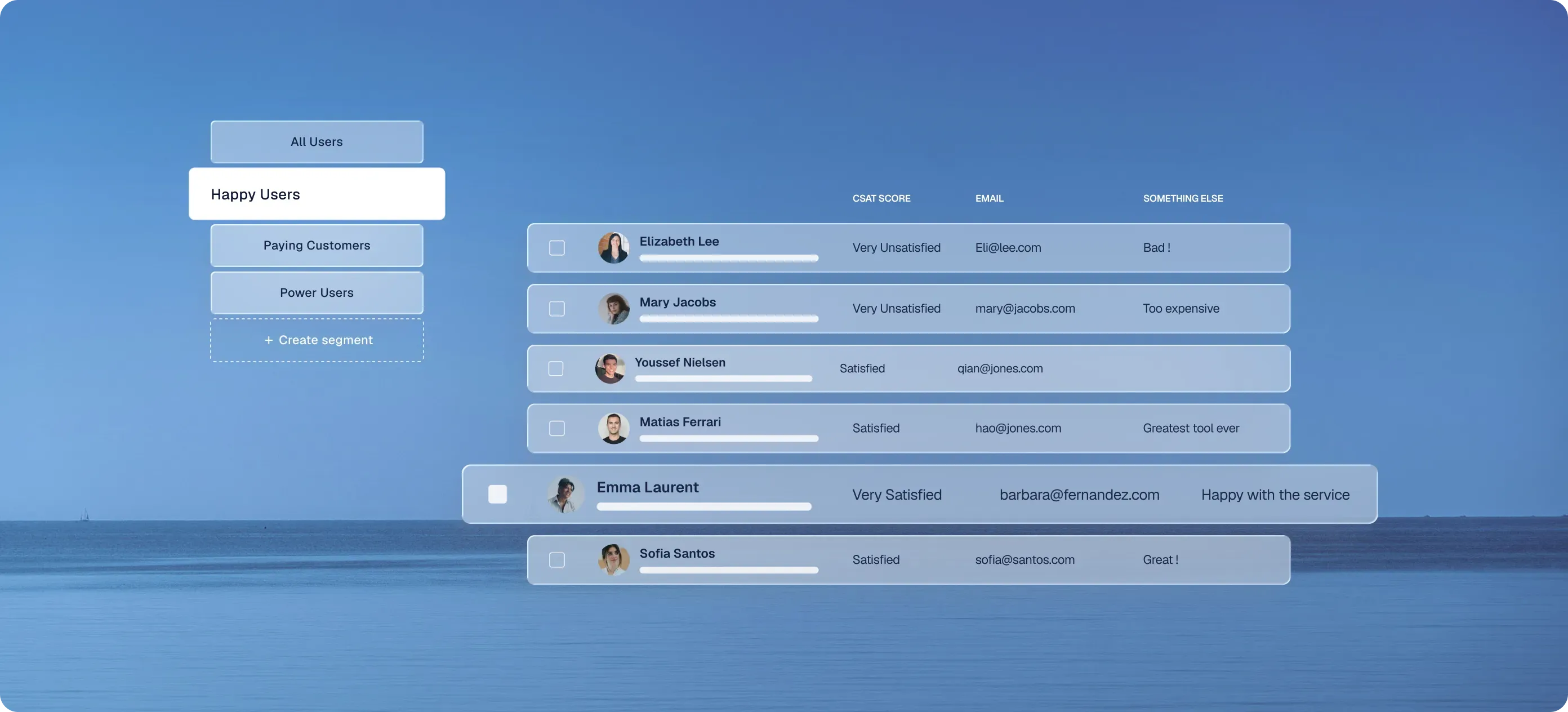
Identified users and accounts
Connect every response with the right customer without asking for their email again.
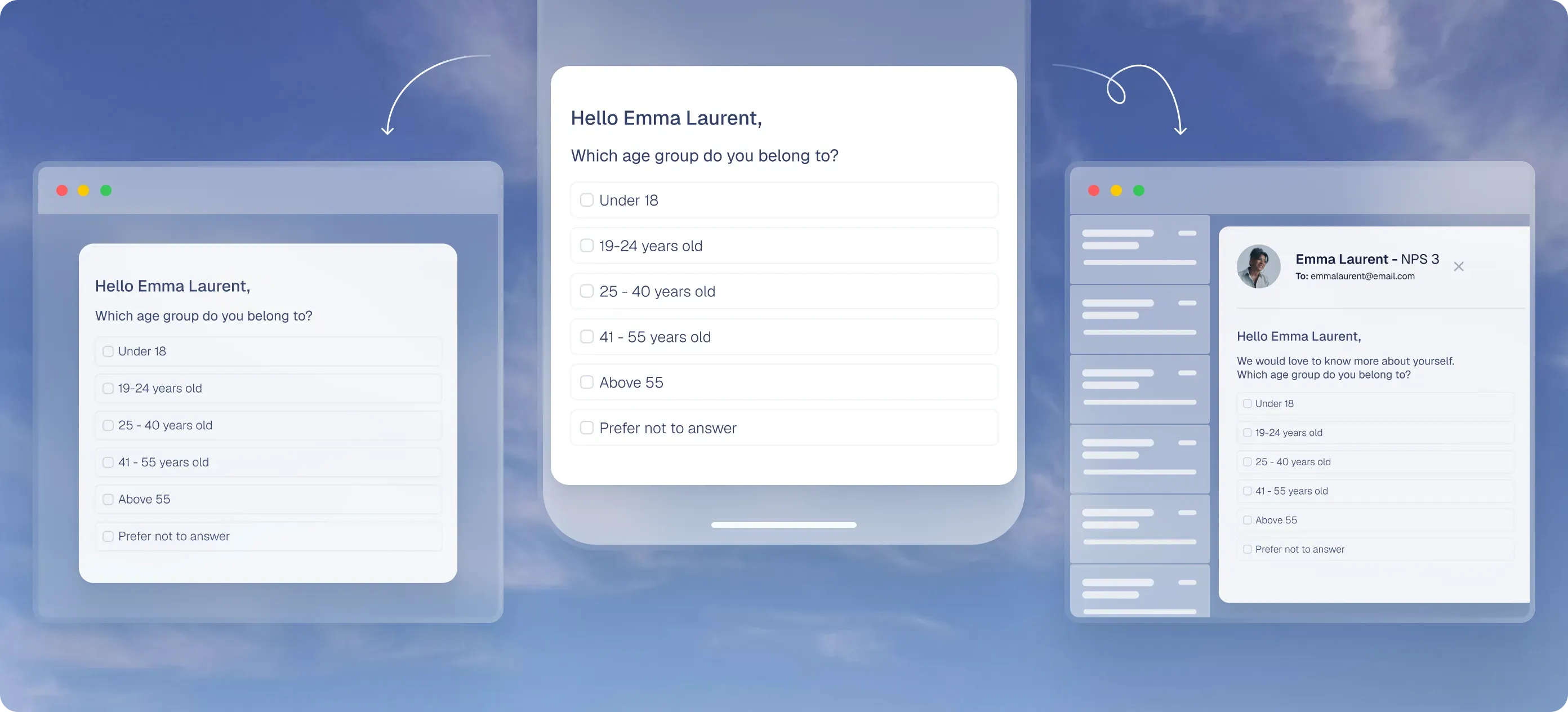
In-app survey widgets
Use slide-ins, modals, and banners that fit around the current product session.

Native mobile SDKs
Run targeted surveys inside iOS, Android, React Native, and Flutter apps.
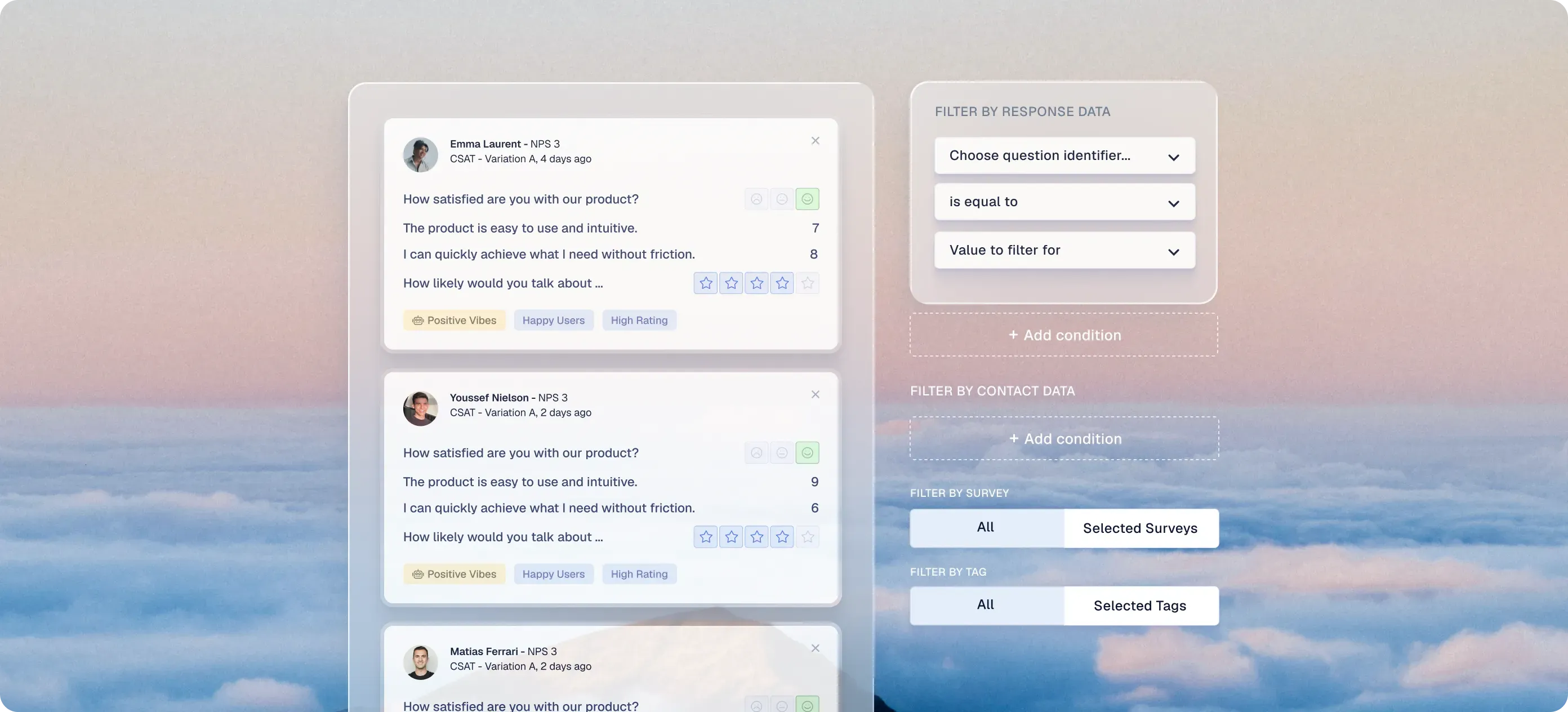
Lifecycle targeting
Target by plan, role, account, page, lifecycle stage, behavior, or past feedback.
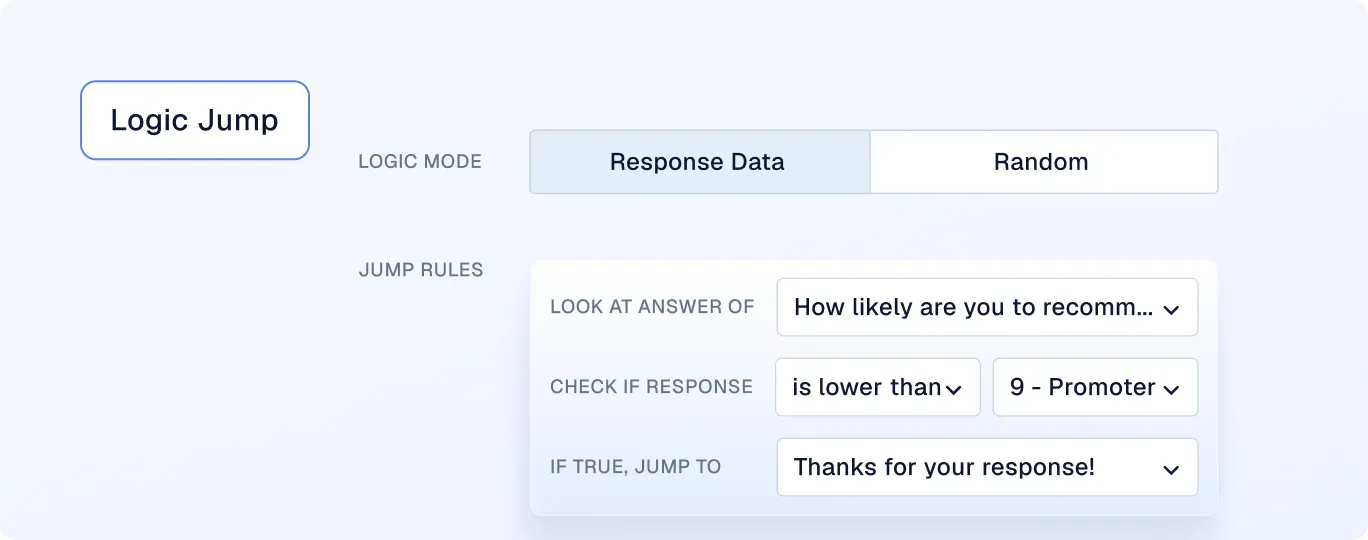
Survey logic
Adapt follow-up questions to earlier answers and skip anything irrelevant.
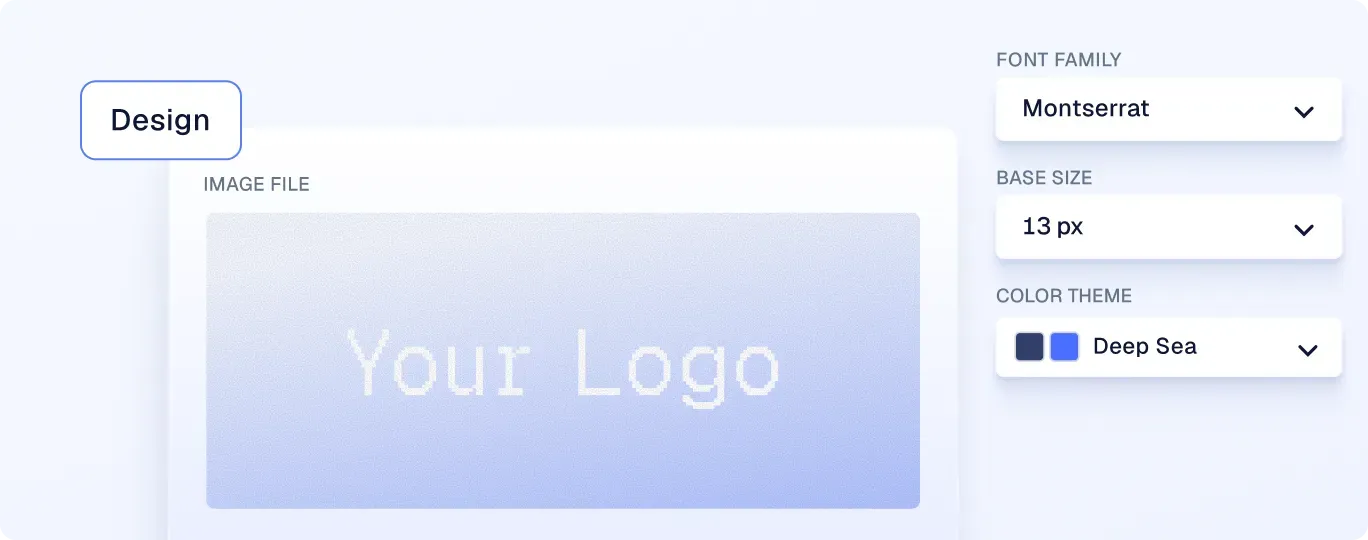
Product-matched design
Control colors, images, typography, borders, corners, widgets, and custom CSS.
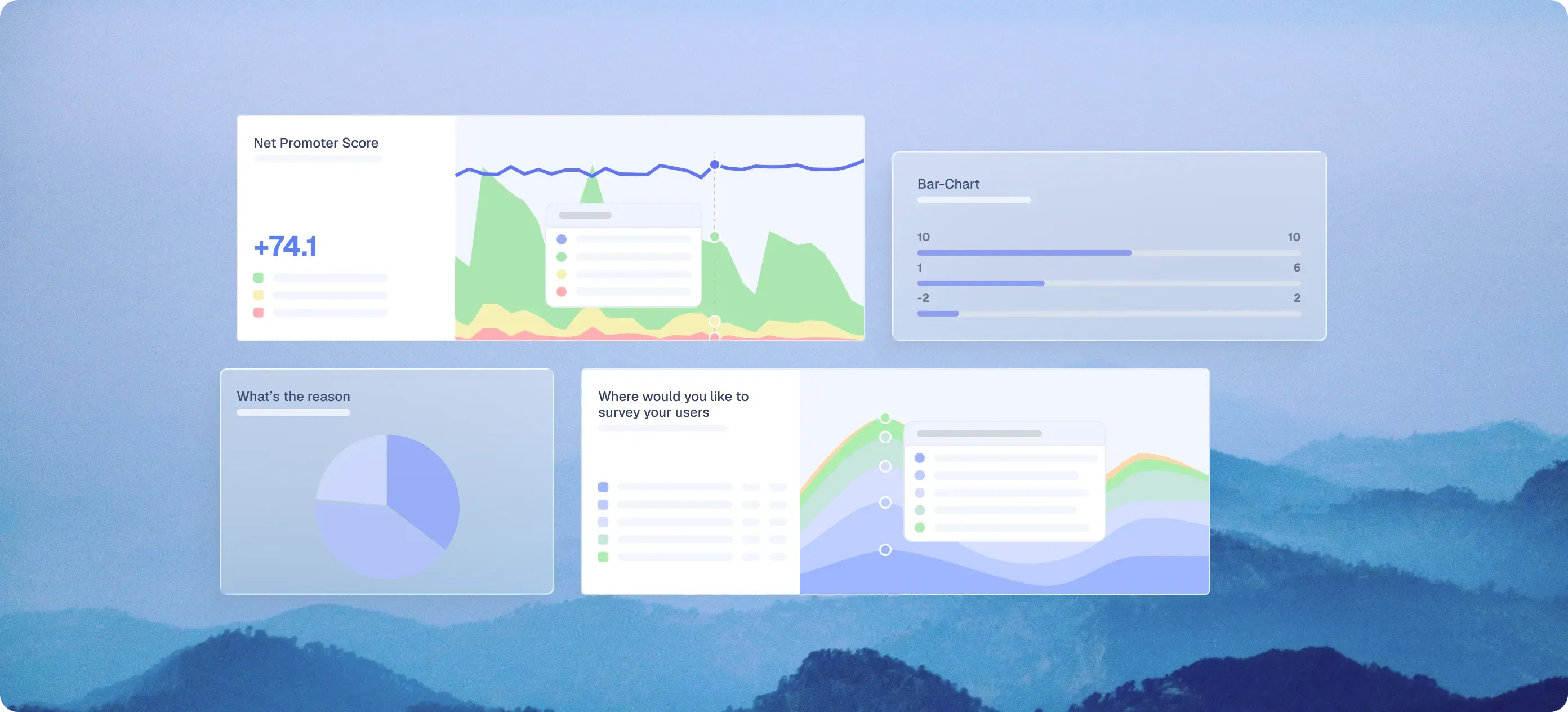
NPS, CSAT, CES, and PMF
Run scored programs alongside onboarding, churn, and feature research.
Response segmentation
Compare feedback by customer, account, cohort, behavior, or any synced trait.
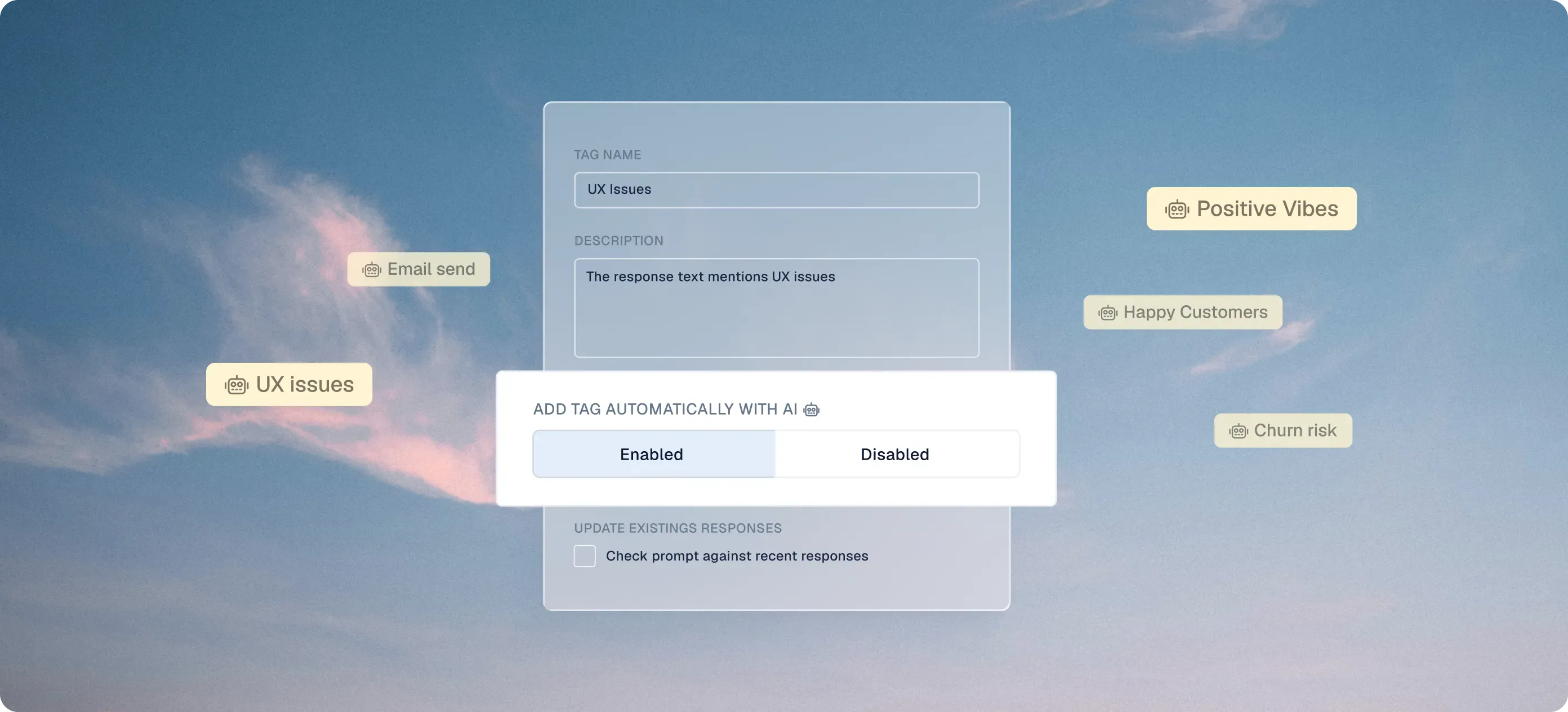
AI-assisted text tagging
Group recurring themes in written feedback while retaining the original answers.

Two-way CDP sync
Use Segment and RudderStack data for targeting and write answers back to profiles.
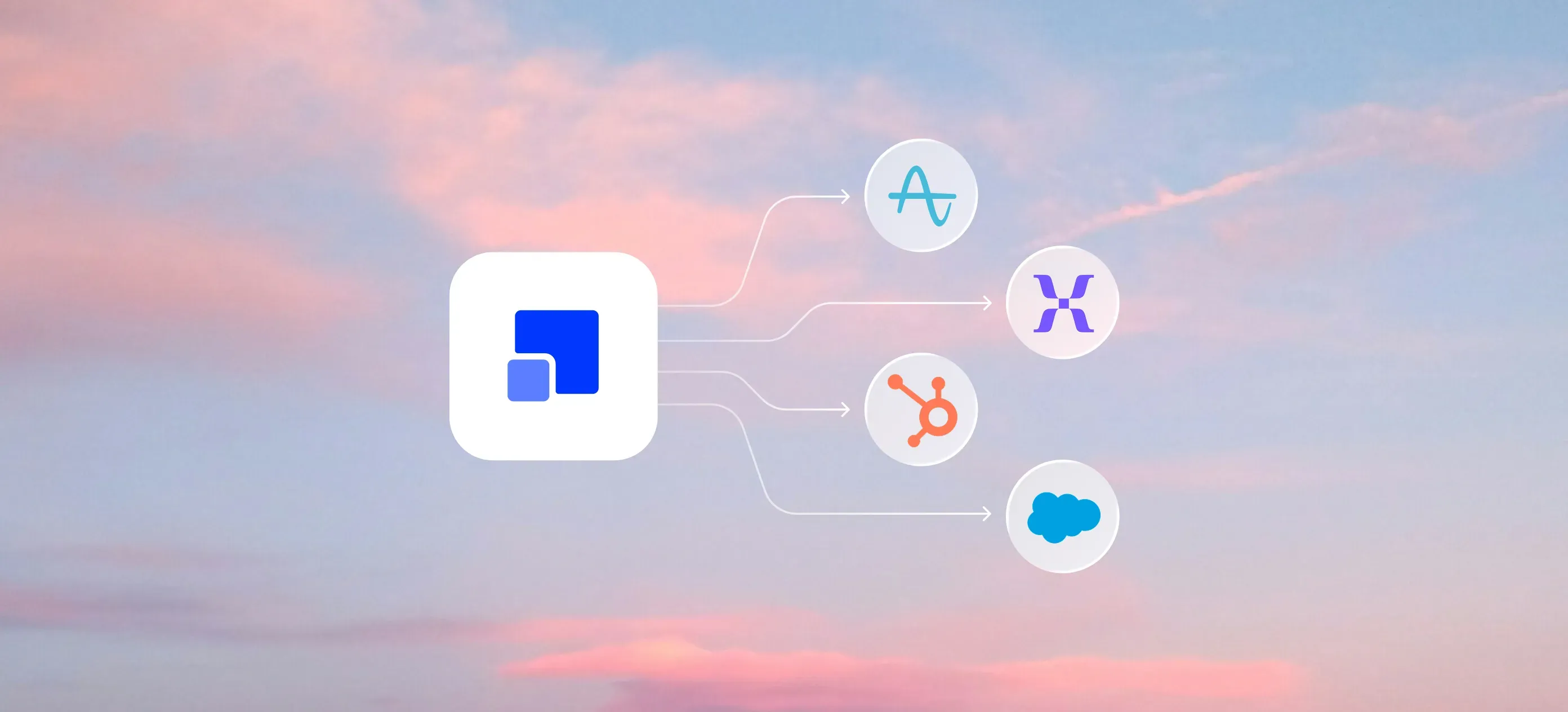
Analytics and CRM destinations
Send responses to Amplitude, Mixpanel, Chattermill, Enterpret, HubSpot, Salesforce, and other systems.

Livestorm uses Refiner to increase conversion rate, proactively engage with customers, and reduce churn.
I did a benchmark of other tools that were available. But in the end, the Segment integration was never up to par so I gave up.

Thibaut Davoult
Head of Growth @ Livestorm
Keep survey feedback connected with the customer data stack





























Don’t just take our word for it
Hundreds of happy SaaS, Fintech, Edtech & Marketplaces are using Refiner to improve their product and accelerate growth.
Refiner was the only in-app survey tool that met all our requirements. Its focus on in-app surveys provides a streamlined feature set that fits our needs perfectly. We appreciate the easy integration via Google Tag Manager, allowing us to use data from our data layer and trigger surveys with GA events. Thanks to the Zapier integration, we seamlessly integrate Refiner into our automated feedback processing workflows.

Fabian Lauener
Lead Researcher Private Business
With its Segment integration, Refiner makes it super easy to survey fragmented user segments easily based on properties and/or events and sync results with our data warehouse for further analysis. Setting up Refiner was a child’s play and creating new surveys is a matter of minutes. 10/10 points.

Alexander Schneekloth
Co-Founder
We love using Refiner to automatically gather NPS survey results and get critical feedback we need from our trial users so we can constantly improve our word of mouth flywheel. With its Segment and Zapier integrations it fits right into our product led growth tech stack. Easy to install, tons of value and zero hassle.

Paul Yacoubian
Founder, CEO
Refiner is a powerful in-app survey tool that allows us to precisely target user segments based on our data. We tested several tools before going to Refiner and what made the big difference is that with Refiner every survey answer is directly logged into our database via Segment, and that’s a game changer! Also, the initial integration and setup were seamless and extremely easy. The templates and the ability to customize survey with our own branding and targeting specs is very much appreciated too.

Margaux Reynaud
Product Manager
We were looking for an in-app survey solution for our product that could flawlessly be synced with Segment. Refiner is the only solution we found that addresses data integrations as a main feature and not as an afterthought. Refiner is an incredibly flexible tool that can be used by nearly every team at Livestorm: growth and marketing, product, customer experience and support, and even sales.
Thibaut Davoult
Head of Growth
Refiner changed the way we operate. As a data-driven online service, we needed a way to collect feedback unintrusively at scale. Their tool helped us reach this goal in no time. Bonus: it fits super well in our growth stack (Segment, Customer.io).

Grégoire d'Aboville
Head of Growth
Refiner is the tool we were searching for to better profile our users, and gather feedback about our products. It’s very easy to set up, comes with a great UX for our users and the team is very reactive.

Javier Escribano
CPO
Super easy two-way integration with Segment and great support in setting up and launching our in-app surveys made it a success!

Coralie Blanc
CRM Lead
We looked at various NPS solutions but Refiner was the only one which was built from the ground up to meet the needs of SaaS companies. Refiner gives us complete flexibility and their surveys match our UI/UX 100%.

Mathieu Le Roux
Voice of the Customer Manager
We discovered Refiner while using another SaaS product and we instantly fell in love with their UI / UX. So we gave it a go and were collecting user feedback for SnapShooter in no time. We are using Refiner to collect insights about how our users discovered us. The Slack notifications when someone completes a survey are a great addition to keep the team informed.

Simon Bennett
Founder
Get more responses and better insights with Refiner
Getting started is easy and takes a couple of minutes only.
Refiner is the only solution we found that addresses data integrations as a main feature and not as an afterthought.
— Thibaut Davoult, Head of Growth @ Livestorm